

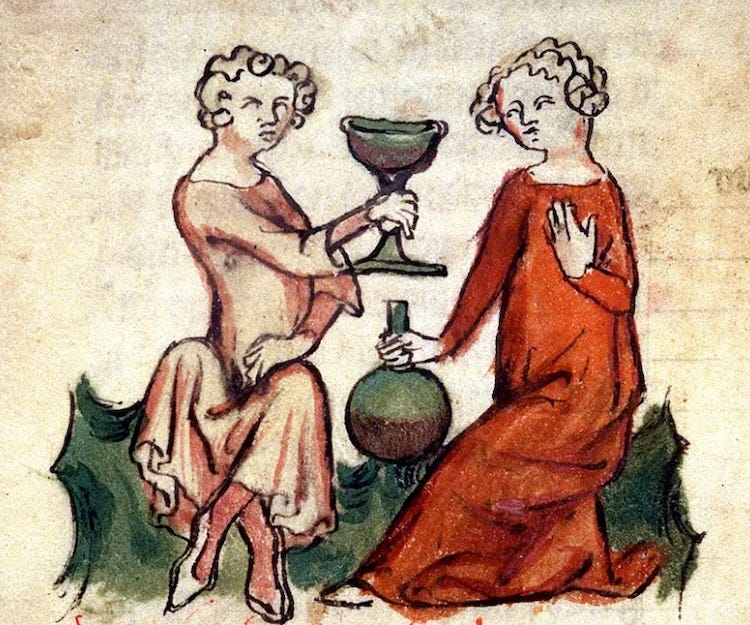
Big ideas come from big glasses of wine. then, in the cold sober light of the morning, when the pre-frontal cortex has resumes something like capacity, they prove difficult to articulate. One of those has been bugging me for most of this year.
I won’t bury the lede. The idea is that wine is more than an expression of the place (terroir) it comes from, although it is. The idea is also that wine is literally a message in a bottle, that is a medium of communication from one person, or group of people, to its taster-drinker.
In many ways, my career as a food and wine journalist has followed the arc of the local food and terroiriste wine movements. The idea of terroir, which had been used to guarantee quality (or, more cynically, as a marketing tool), is as old as the wine trade. If you can tie your brand to the land its grown on, then you can eliminate competition on those grounds, pun intended.
Just as the farm to fork, locavore movement of the last 25 years began as a reaction to industrialized food, so the grape to glass, terroiriste movement began as a reaction to mass produced vins de techniques. The big wines were all made from the same grapes and tasted the same wherever they were from. There’s still a lot of those wines around, maybe most wines, by volume, are still made in this spirit.
If you spend enough time hanging out with winemakers, which is one of the best parts of my job, then you know to be prepared to hear about how the wines they make vary depending on where the grapes were grown. They’ll talk about a particular site as though it has a personality and beseech the taster of their wines to taste the character of this vineyard, or that collection of rows. It’s often as if the land itself was an animate object. And it’s true; or at least I’m sure I’ve tasted it.
All of this is to say that I am not renouncing the idea of terroir or, as Matt Kramer translated it, somewhereness. I get it, I just think there’s more to an interesting glass of wine than the dirt it was grown in, or the weather in the year it was made. I admit this could be wishful thinking, because even though I am the grandson of a miner, I find soil discussions immensely boring.
As a bachelor of arts, I have to think really hard about what exactly marl is, or schist, or whether a limestone is calcareous or Dolomitic. I can never remember what weather happened in what year. I can remember that 2014 was a cool “challenging” year for Barolo and Barberesco, but only because I was in Alba in 2018 for tastings when they were released, and enjoyed the ones made with a lighter touch, especially over feasts of Piedmontese food at dinner at the end of the day.
I need an element of human interest for information about wine to really stick. Who made it and why: the message in the bottle.
I am not always mindful when presented with a glass of wine. And if I am tasting in a professional setting, than I will try and revert to a clinical mindset to be able to jot down a few descriptors as objectively as I can. I hope that you also taste cherries in the wine and not raspberries (though you might).
When I am mindful, and tasting for pleasure as much as anything, then I am looking for the message in the bottle. It’s not that where the message comes from isn’t important, it’s just who sent it and why must be equally if not more. How should I take this wine? How does this wine work? What should I know about the people who made it, so I understand their message clearly?
What a privilege to taste greetings from all over the world, whether they’re from just a hundred kilometres away or thousands. It’s more fun to think of wine as not merely a collection of chemical compounds suspended in liquid, but also as a communication and way of connecting humanity. A moment of peace on Earth.
Please support my work and this newsletter by becoming a MJ Wine Box paid subscriber. Sign up today and receive 20% of the regular price, renewable for life. Or give a gift subscription, with the same discount. Click on the button below to redeem this offer.
WINE RECOMMENDATIONS
Domaine du Bollenberg
Tradition Clos Ste Apolline Sylvaner 2021
Price: $17.75 (down from $19.95)
Channel: LCBO Vintages
Producer: Domaine du Bollenberg
Country: France
Region: Alsace
Appellation: Vin d’Alsace
Grapes: Sylvaner
Alcohol by Volume: 13%
Sugar Content: 2 grams per litre
Here is another wine that’s been discounted, and it’s been marked as “clearance” by the LCBO. The irony is that if the Bollenberg Sylvaner cost $40 at a Little Portugal bottle shop, it would sold out quickly. If it was offered by the glass in Brockton Village for the retail price of a bottle it would quickly become a hit. Instead it’s languishing in the provincial monopoly retailer because they clearly don’t know what do with a delicious and affordable wine. Their loss can be your gain.
This Sylvaner is the Alsatian wine for people who think they don’t like Alsatian wine, or haven’t had one since an off-dry Gewurtz at a Thai restaurant 20 years ago prejudiced their view. It’s bone dry at 2 grams per litre of residual sugar, and has a kind of salty savouriness that we used to call “mineral” when it was cool to throw the word around. There’s good citrus fruit and fresh acidity, and it’s all in balance. If seafood is part of your holiday tradition then this is perfect for it all from oysters to crab casserole.
Use the link below to look around for it and tell them MJ Wine Box sent you.
https://www.lcbo.com/en/domaine-du-bollenberg-tradition-clos-ste-apolline-sylvaner-42730
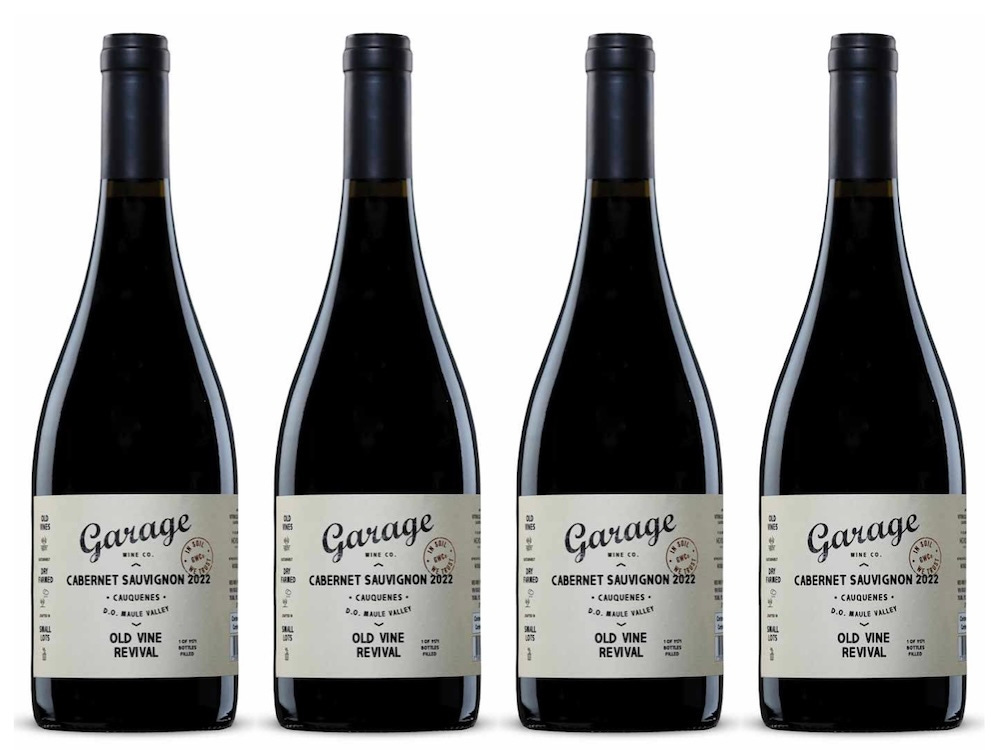
Garage Wine Co. Cabernet Sauvignon 2022
Price: $19.95
Channel: LCBO Vintages
Producer: Garage Wine Company
Country: Chile
Region: Maule Valley
Appellation: DO Maule Valley
Grapes: Cabernet Sauvignon
Alcohol by Volume: 13.5%
Sugar Content: 2 grams per litre
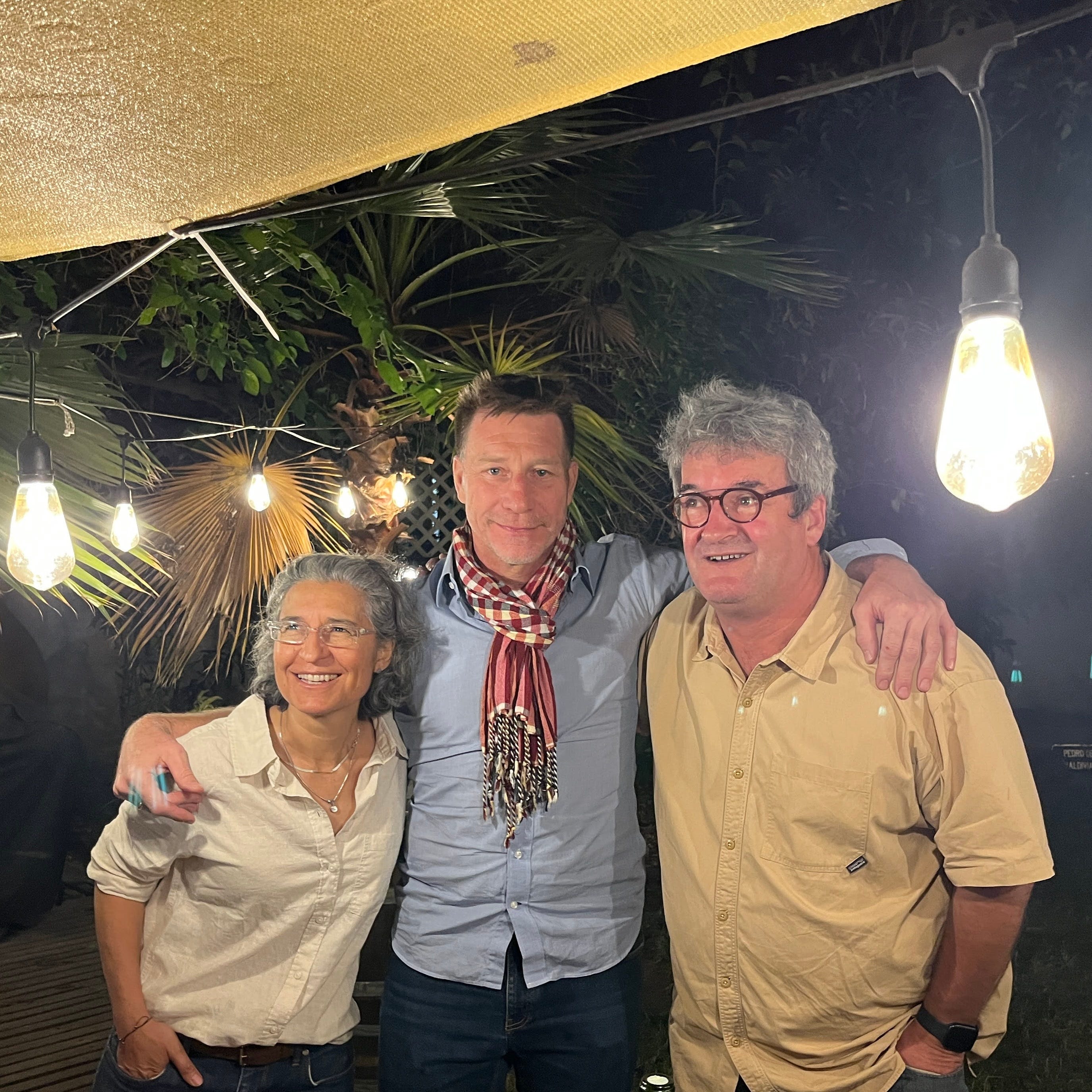
The Garage Wine Company is Pilar Miranda and her Canadian expat husband, Derek Mossman Knapp. They are based in Santiago de Chile but make wine from small holdings around the country, especially from wilder points due south, like the Maule Valley. Garage is very much at the centre of the Chilean independent wine movement (MOVI), which seeks out old vines and makes fun and smart wines from them.
I have yet to have a Garage wine I didn’t love. I don’t write them up all that often because they usually cost about four times as much as this Cabernet. I don’t know how they’ve managed to send us a wine that costs $20 a bottle for this level of quality, but I hope there’s more in the pipeline. (And I hope it’s not sold out before I hit send on this Substack.)
This is Cabernet Sauvignon made from perfectly ripe fruit that all about black currants (cassis) and a touch of Chilean herbal scrub. But the fruit was not too ripe: this wine is fresh and wants food. It’s crunchy, as the kids say, or glou-glou as the French kids say. It’s fun, in perfect balance and complex enough one mouthful before reaching for the next. I have reserved a couple of bottles for our holiday tourtière dinner.
https://www.lcbo.com/en/garage-old-vines-cabernet-sauvignon-47671