
Protect The Winosystem
White Spanish Blend | Fresh Frappato


Last weekend I was in Calgary at the 20th anniversary edition of the Terroir Symposium. I was invited in part because I was part of the original series of Toronto Terroir conferences, invited to join as a volunteer committee member by its founder, Arlene Stein. The focus of the symposium was then, as it is now, the hospitality industry, which in the first decade of this century was professionalizing into something like respectability.
It was fun and informative four days of hanging out with mostly restaurant people from all around Canada and the world. When I wasn’t gobbling up Amanda Cohen’s Bunny Burger1, or Daniele Uditi’s Cacia e Pepe Pizza, I had a chance to ask the participating chefs and restaurateurs how things were going. I do this regularly since the shock of the pandemic closures.
I ask off the record, and really for my own interest, as opposed to gathering information for something I intend to write about (even though that’s what I am doing presently). I like restaurants a lot, I want them to be around, and I worry about the headwinds they face from everything from the K economy to the hermetic tendencies of the smart phone digital age.

Most restaurateurs I ask answer exactly as I do when someone asks me how I am doing: with a reflexive “fine” or “good”, whatever is really going on. To be fair, since I am almost always asking people known for their successful restaurants, I am selecting from a group more likely to be doing okay, and expect relatively positive answers. Every once and a while, though, I’ll get an a more nuanced answer, like I did from an established old hand from a big Canadian city.
The restaurateur told me that reservations at their place had held steady over the winter and spring, but amount of the cheques per table was down. People were still coming out to dine, but they were spending less. The chef thought the reason why was twofold, or was the result of two complimentary phenomena.
The affordability crisis was squeezing the restaurants clients, and they were ordering less expensive items and less of them. They was also a discernible trend of patrons either skipping alcohol altogether, or sticking to one drink or one glass of wine for all of the meal. The latter trend might be simply a continuation of the former, or the result of real lifestyle changes, GLP-1 drugs, or a combination of everything.

The chef hoped that warmer patio weather might encourage people to spend more this summer. It’s hard to say no to a second glass of rosé with good company on a warm evening. And who knows? Maybe the economy will improve, along with restaurant consumer confidence. Maybe.
This report is anecdotal, but it jibes with latest Restaurants Canada Q1 Quarterly Report, which describes a perfect storm of declining revenue and higher costs in the industry. This is in a business known for its traditionally low margins. That the one part of the bill, drinks and wine, that could make up on margin, is especially in decline, is very worrying.
I don’t just like restaurants, I like what they do for wine. Most wine that’s priced at $30 or more is bought by restaurants. This $30 to $100 price point is a kind of sweet spot for small producers who, lacking the the efficiencies of scale, can invest a little more sweat and capital into their wines. Less restaurants means less of these wines and more supermarket-style wines. Or just less wines.
Remember, business don’t buy wine like consumers. To them, a case of wine is an investment that should turn a profit. The standard Toronto mark-up on a bottle of wine is 150%; two and a half times what they paid for it. Or it was before the affordability crisis.
In the last couple of years, I have caught establishments charging $100 before tax and tip for bottles that cost them less than $25; a 300% mark-up. I wrote about it, about a year ago, explaining that I was initially upset by the big mark-up, but even then I came around… sort of:
The thing is, for two lunches, I thought the Saumur Chenin was worth paying $100 for. And I might well feel the same, should the opportunity arise. But the other thing is, would I be more likely to return to the restaurant if they marked the Chenin up conventionally and listed it for $60, or even $75? I think I would.
And this is the problem: the rent is too damn high for everyone. Restaurants and winemakers have to make money somehow to stay in business. But the only way they can keep from sinking, in what looks increasingly like a stagflation world, is by raising prices, which drives away their customers. It’s a worrying time.
Maybe the ships will start sailing again through the Straights of Hormuz, and inflation will come down. Maybe we will want to celebrate the return of less crappy times by dining out and have a good meal with a good bottle of wine (or two) with it. Or maybe, if we can’t get a reservation, we’ll stay at home pull out a good special occasion wine from the cellar. In either case we’ll enjoy the fruits of a healthy winosystem, where each component part symbiotically depends on the other.
I hope so.
I will write more and in detail about the 2026 Terroir Symposium this month at The Hub.
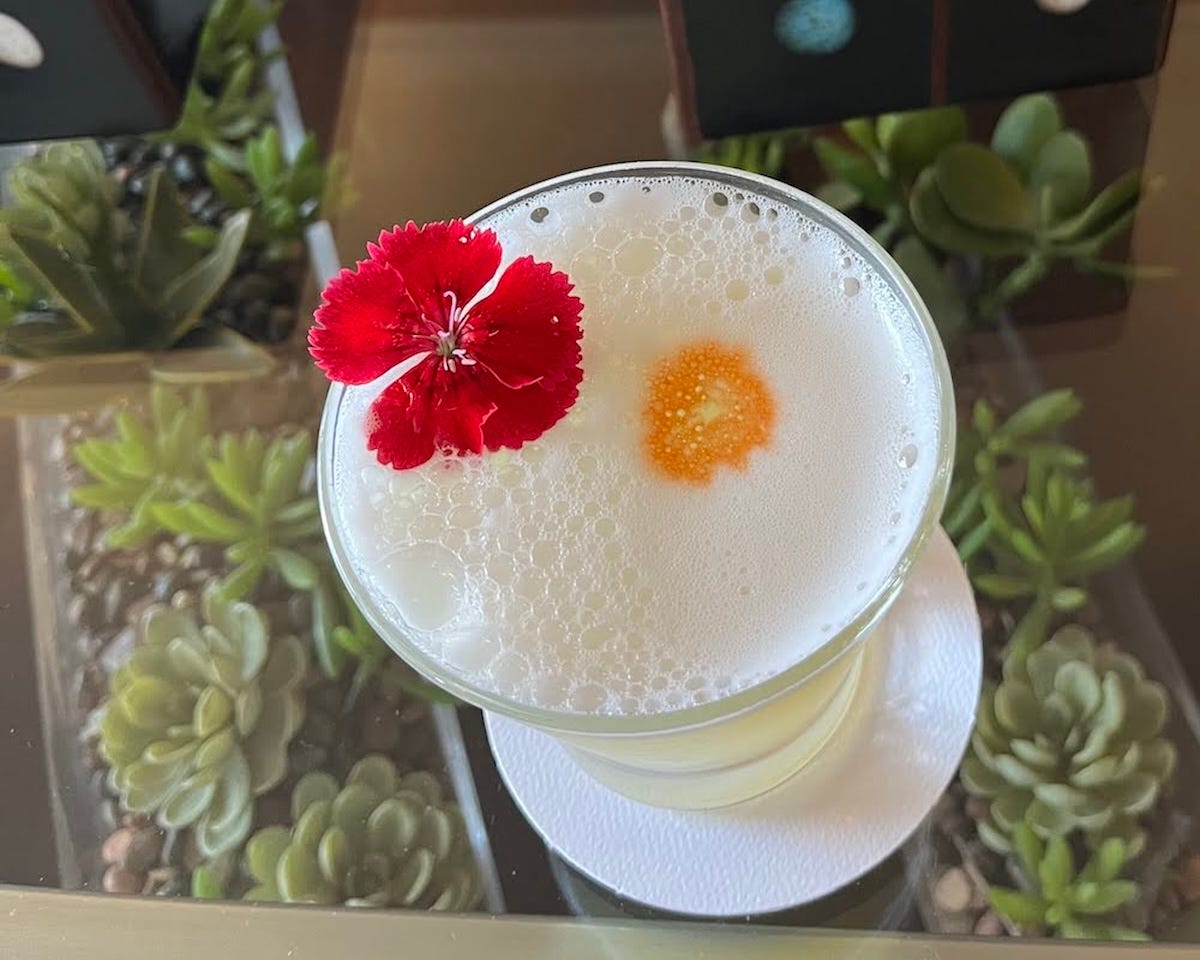
If you’re not already a paid subscriber to the MJ Wine Box Substack, consider upgrading now, and receive a discount of 20% for life.
WINE RECOMMENDATIONS
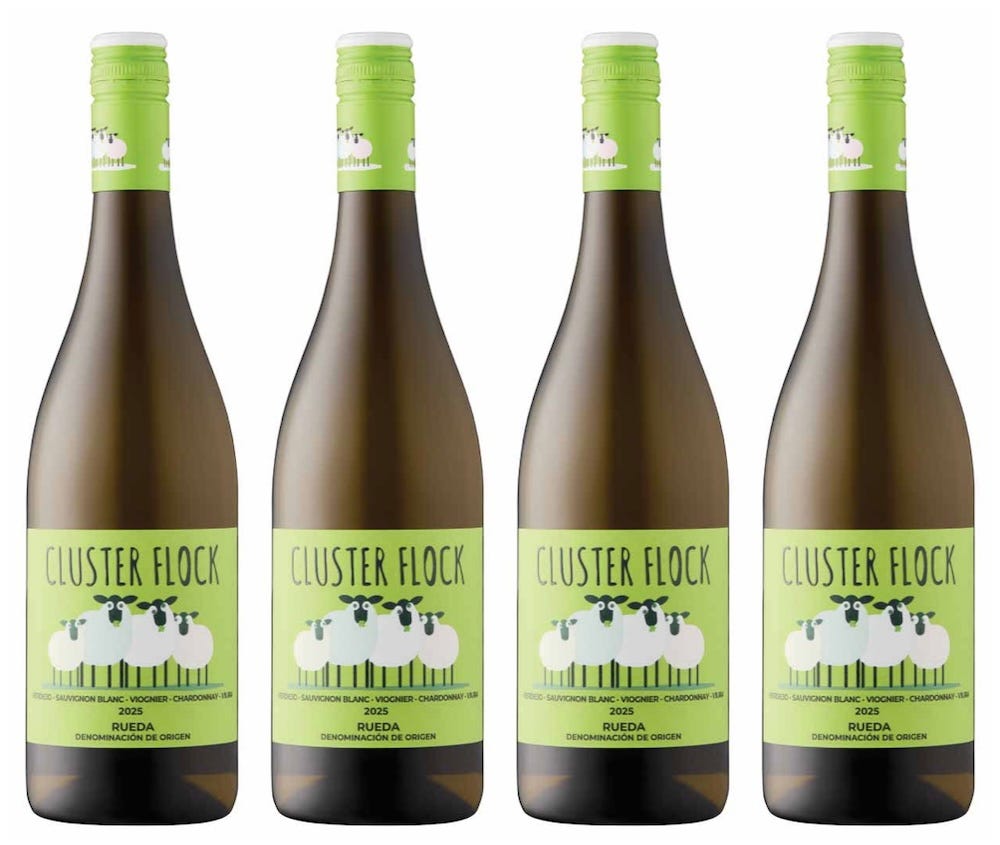
Cluster Flock 2025
Price: $17.95
Channel: LCBO Vintages
Producer: Citizen Wine
Country: Spain
Region: Castilla y León
Appellation: Rueda DO
Grapes: Verdejo, Sauvignon Blanc, Viognier, Chardonnay, Viura (percentages not declared)
Alcohol by Volume: 12.5%
Sugar Content: 2 grams per litre
Citizen Wine is a modern British negociant that makes or commissions wines from across Europe, as well as New Zealand and Argentina. “Cluster Flock” is a label they use for white blends, in this case from Reuda in Northwestern Spain, which is having a bit of a moment. It was the wine’s provenance that caught my attention, rather than the silly label. It turned out to be worth a try.
Citizen Wine does not declare the percentages of the five grape varieties used to make Cluster Flock. One assumes that they are listed on the label (as I have repeated above) from most to least. I can’t tell from tasting, except I was struck by the prominence of tropical fruit, like guava, and lime citrus, rather than aromatics one might expect from Sauvignon Blanc and Viogner. In the end this is thirst quencher of a crisp dry, very fresh summer white. Easy to sip on a warm summer evening in the company of friends and snacks.
https://www.lcbo.com/en/cluster-flock-white-2025-50358
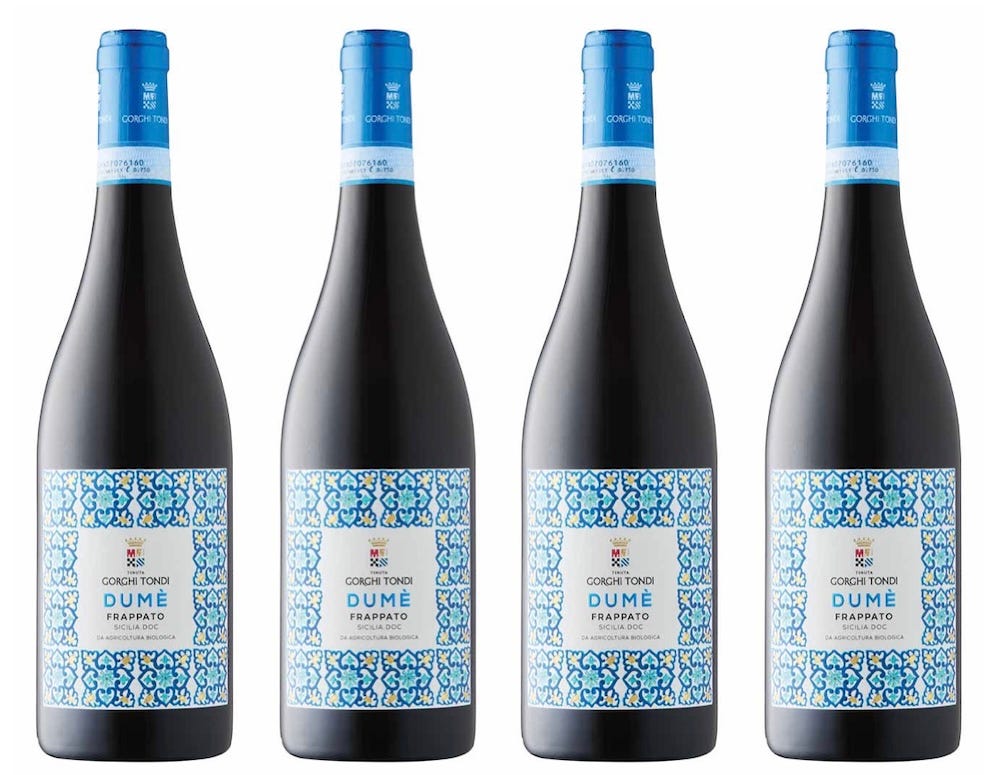
Gorghi Tondi Dumè 2025
Price: $22.95
Channel: LCBO Vintages
Producer: Gorghi Tondi
Country: Italy
Region: Sicily
Appellation: Sicilia DOC
Grapes: Frappato
Alcohol by Volume: 12.5%
Sugar Content: 4 grams per litre
The current Vintages Release at the LCBO includes a number of lighter style “Chilled Reds” (get it?), and the Tondi Frappato is one of them. You could chill this wine and drink it like a rosé, but you would miss some of its more subtle red fruit charms, if you left it in the fridge to long. Look for raspberries and touch of white pepper seasoning on the finish.
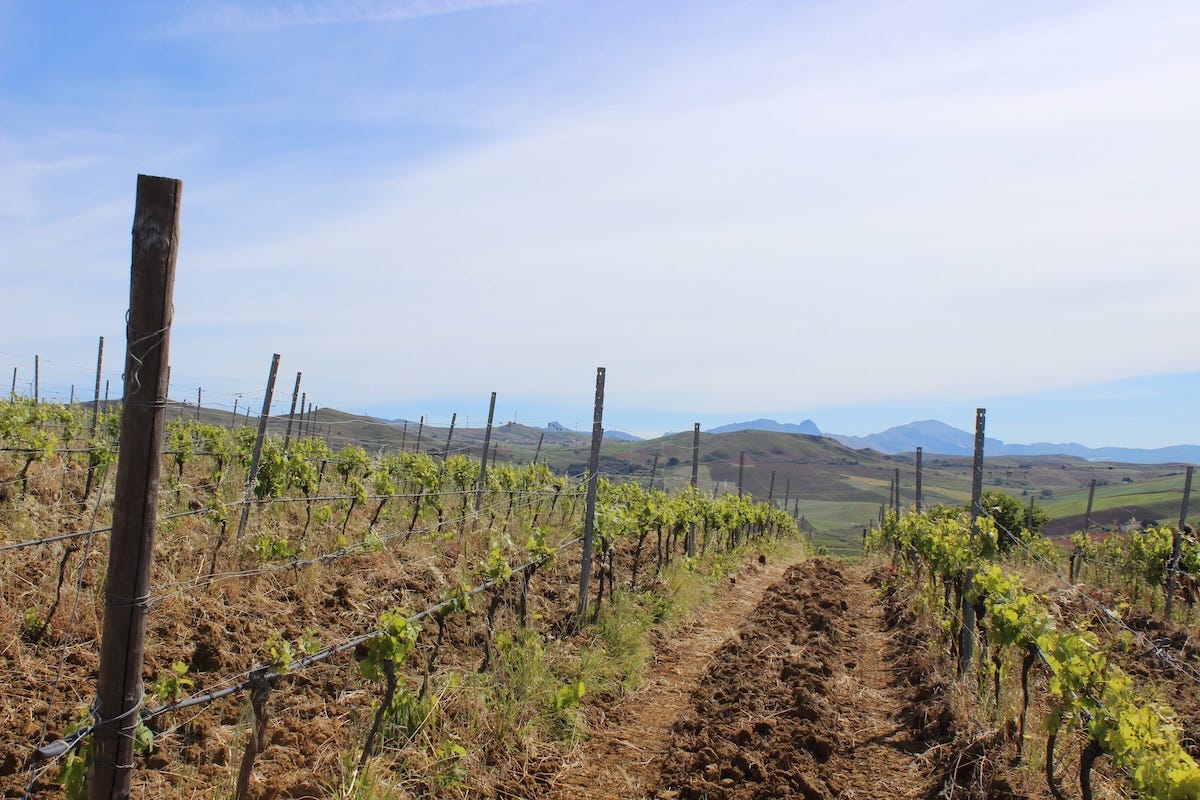
Gorghi Tondi organic winery is named for a series of spring fed lakes, which comprise a World Wildlife Fund protected area near Marsala in Western Sicily. It’s been run by the women of the Sala family for four generations, including its current leaders, sisters Annamaria and Clara (according to this 2021 Gambero Rosso profile). The Dumè Frappato is a bit of an anomaly, in that this grape from Eastern Sicily is not usually planted on the west side of the island.
The intrepid Sala sisters must have recognized that Frappato would be key to the 21st century success of Sicilian wines. Even before global warming, Sicilian summers were hot. Frappato somehow miraculously retains both acidity and low alcohol while showing big fruit, despite being grown in a warm climate.
The Dumè is perfect barbecue red for chicken, ribs, eggplant, zucchini, or whatever ends up on the grill.
https://www.lcbo.com/en/frappato-dume-sicilia-2025-50571
The burger is not made of bunnies, but rather what bunnies might eat, if they ate burgers. It’s made mostly of mushrooms and is vegetarian, delicious and texturally pleasing to the most committed carnivore, like me.